
As an Amazon Associate I earn from qualifying purchases.
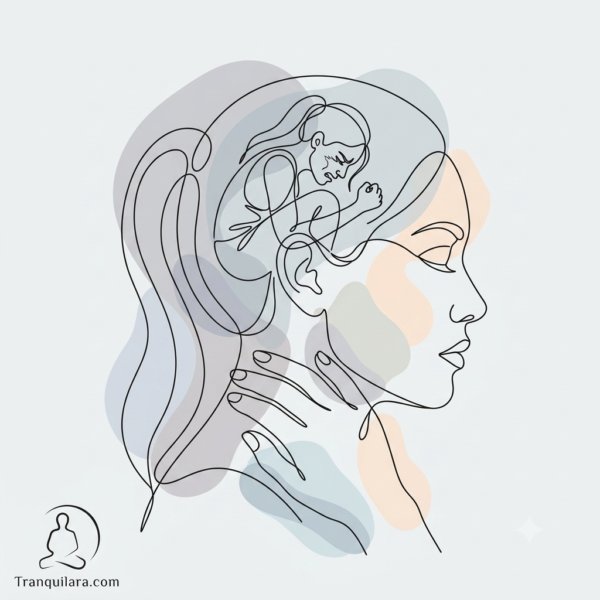
It is exactly 5:30 AM. I have just updated an entire IEP in ninety minutes flat—a feat of academic gymnastics that deserves a medal, or at least a nice breakfast. Nothing says “great job” quite like finishing a massive stack of paperwork before the sun comes up, only to realize you’ve accidentally aged forty years in the process. Instead of a medal, my prize is the sudden, crushing realization that my neck has fused into a solid block of concrete.
I stretched my arms, which only served to discover exciting new pockets of agony I didn’t know existed. If this is the official reward for 4:00 AM efficiency, I would very much like a refund on my joints.
When I finally forced myself to stand, my hips and knees instantly entered a labor dispute. We often talk about the mental toll of teaching, but we don’t talk enough about how a single 90-minute paperwork sprint can leave you feeling like you were run over by a very small, very powerful truck. It turns out this is the glamour of the 4:00 am paperwork club: you beat the deadline, but your skeleton loses the war.
Beat back the pain with ergonomic chairs and desk setups, supportive footwear, micro-stretches and mindful breathing.
Table of Contents
Ergonomic Chairs and Desk Setups
Being laser-focused on teaching, it’s easy to ignore how our bodies feel until we finally clock out and start noticing the aches. An ergonomic workspace can make all the difference in how your body feels by the end of the day.
Now, about that desk and chair. Even a small tweak can help. Consider adjustable chairs that provide better back support, ideally with adjustable armrests. I loved this chair for the headrest. I could lean my head back and close my eyes when I needed to. Desks should let your elbows sit comfortably at a 90-degree angle without hunching over. If yours doesn’t and you’re not in the market for new furniture, desk risers are a game-changer.
Setting up shop ergonomically isn’t just a one-size-fits-all. Personal preferences and body types mean what works for one doesn’t work for another. Adjust as needed and listen to what your body tells you. Mastering this setup may take some trial and error, but when you nail it, your body will seriously thank you.
Standing Strong: Supportive Footwear and Insoles
Teachers know the struggle of standing on unforgiving classroom floors all day long. Really puts a strain on your feet, right? Having the right footwear can make or break how you feel at the end of the day.
First things first, kick those stylish but non-supportive shoes to the curb. In my early years of teaching I wore high heels – every Friday – up and down three flights of stairs! But don’t forget, you’re a teacher, not a runway model. Look for shoes that marry comfort with functionality. Orthotic-friendly options are your best buddies here, since they’re designed to offer that sweet spot between style and support.
My favorites are Hoka sneakers because I know my knees and lower back are supported. They are also some of the most recommended footwear by doctors. Several Hoka models (such as the Bondi, Clifton, and Arahi) carry the APMA (American Podiatric Medical Association) Seal of Acceptance for promoting healthy foot function. They feature thick EVA foam midsoles that create a plush barrier against concrete and tile floors, protecting your heels and arches. The thick sole absorbs the impact of walking, which is highly beneficial if you deal with conditions like plantar fasciitis or lower back pain.
Next up, insoles. These can be your secret weapon. Quality arch-supporting insoles transform a standard shoe into a cushioned paradise, taking pressure off your knees and back by aligning your whole body properly. They’re like pillows for your feet.
Feel a niggle or ache in your feet? Don’t ignore it. It’s a signal from your body to maybe switch up your footwear game. Your feet support you every day—literally. Giving them the right support is a win-win and ensures you can focus on the important stuff: shaping young minds and definitely not thinking about sore toes.

Image by c1n3ma from Pixabay
Micro-Stretches: Incorporating Vital Moves
After hours by the board or parked in front of the computer, even minor body tweaks can feel like mountains. That’s why weaving micro-stretches into your day is a game-changer.
- A favored move? The Doorway Pec Stretch. Simply find a sturdy door frame, place your forearms on either side, and gently lean forward. Sounds simple, right? It’s incredible for loosening up that chest tightness from hours hunched forward over books or computers.
- Another nifty stretch is the Shoulder Blade Squeeze. Stand or sit up straight and draw your shoulder blades together like you’re trying to hold a pencil between them. Hold it for a few breaths. This not only helps posture but also wakes up those tired muscles, giving you a little pep without the caffeine.
- And while you’re at it, consider alternating between heat and cold therapy at home to tackle aches. Ice is your best friend for reducing swelling from standing or overusing muscles, while heat can soothe and unwind tight, bundled nerves.
Integrating these stretches doesn’t mean compromising your teaching mojo. It’s all about creating small, mindful breaks that keep discomfort from overshadowing your passion for the job.
Techniques That Breathe: Mindful Approaches to Pain Relief
Let’s face it: teaching can be stressful, and sometimes stress loves to manifest as pain. That’s where mindful techniques come into play. Stress doesn’t just affect your mind; it puts your body on edge, too.
Mindful breathing exercises are your ally here. Even a few minutes focusing on deep, intentional breathing lowers your heart rate and eases muscle tension. Inhale deeply through your nose, hold for a second, and exhale slowly through your mouth. It’s like hitting the reset button for your brain. If you struggle with constant wandering thoughts when you try to meditate, check out this article for helpful tips. If you prefer guided meditation, check out “Guided Meditation for Anxiety.” It’s always super easy with an app like Insight Timer, Calm or Headspace. Find just what you’re looking for in seconds.
Prioritizing self-care in little ways throughout your teaching day doesn’t just help with pain. It also centers you, reconnects you with your priorities, and helps you bring your A-game to the classroom. How do you deal with the regular aches and pains that come with teaching? Share your tips, tweaks and ideas with the community.
Affiliate notice: Some of the links in this description are affiliate links – if used, I will get a small commission at no cost to you. It’s just one more way to help me retire in this century. I only recommend things I use myself, that have really helped me personally or fully believe in! Thank you!